A compartmentation survey examines a building’s fire-resistant walls, floors, doors and other separating elements to assess how effectively they help contain fire and smoke. Securak carries out detailed fire compartmentation surveys to identify defects, gaps and areas that may require remedial work.



Our compartmentation survey services are suitable for a wide range of commercial, residential and public buildings across the UK.
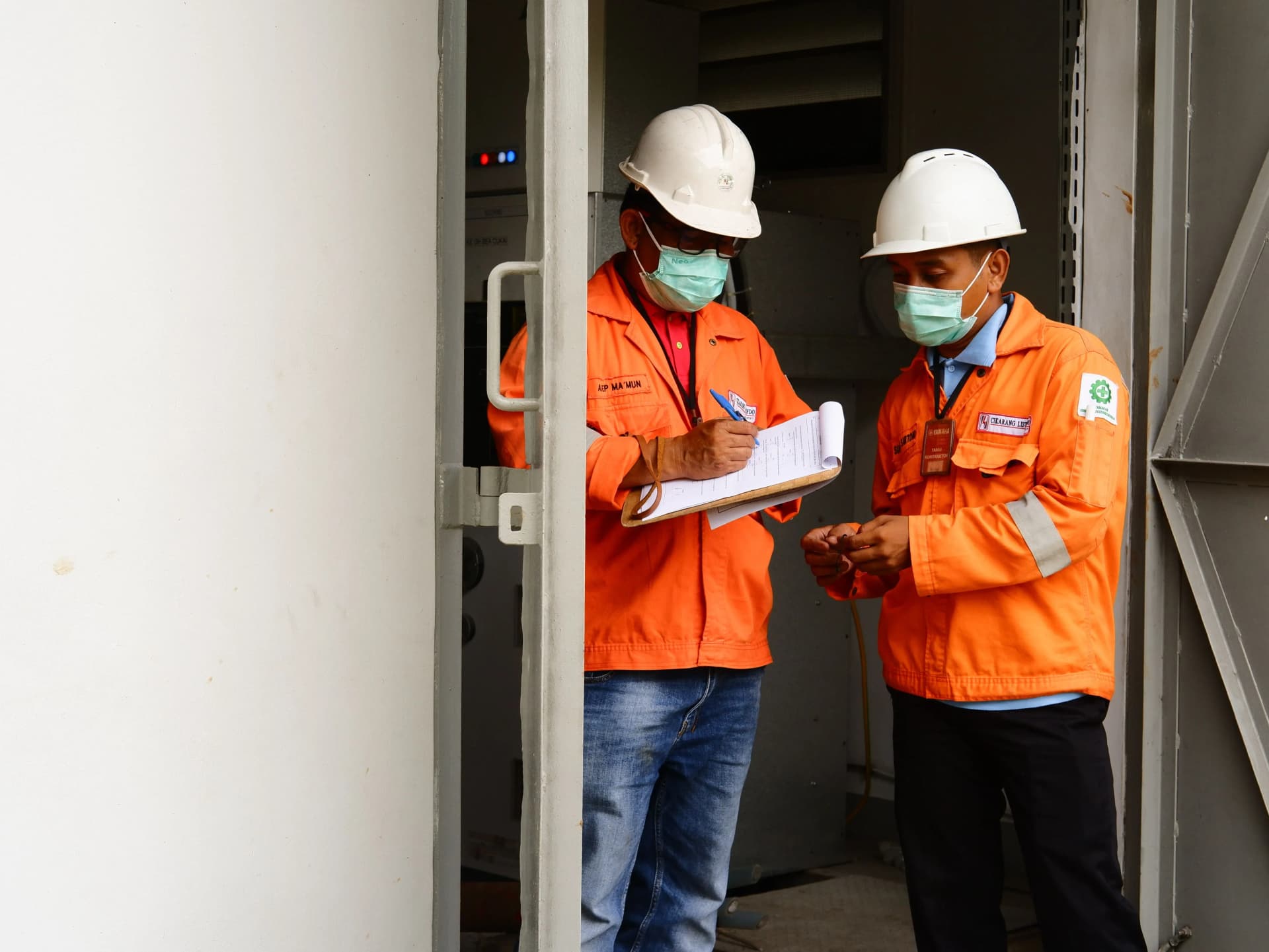
Our compartmentation surveys are carried out by competent personnel with the appropriate knowledge and experience to assess fire-resisting construction and identify potential defects or breaches. Survey findings are recorded clearly to help identify areas requiring further investigation or remedial action.
Our Team Includes

1. Review of Existing Information
We review available fire strategy documents, fire plans and other relevant building information to understand the required compartment lines.
2. Building Inspection
Our survey team inspects relevant fire-resisting walls, floors, ceilings, doors, service penetrations, risers, shafts, roof spaces and other accessible areas.
3. Identify Compartmentation Defects
We record visible breaches, damage, missing or defective fire-stopping and other issues that may affect the integrity of the compartmentation.
4. Record Survey Findings
Findings are documented, with photographs and annotated plans used where included within the agreed survey scope.
5. Report & Recommendations
A survey report is provided detailing the findings and identifying areas where further investigation or remedial action may be required.

A compartmentation survey assesses the condition and integrity of a building’s fire-resisting walls, floors and other compartmentation measures. It helps identify defects, breaches and areas requiring attention.
Effective compartmentation helps restrict the spread of fire and smoke within a building. A survey can identify defects that may affect the performance of these fire-resisting elements.
A survey can include fire-resisting walls and floors, service penetrations, fire-stopping, doors, shafts, risers and other elements forming part of the building’s compartmentation.
Identified defects are recorded in the survey findings, with recommendations for further investigation or remedial work where required.
Where included within the agreed survey scope, fire-stopping and service penetrations can be inspected for visible defects, gaps or breaches that may affect compartmentation.
Yes. The survey findings can be documented in a report, identifying defects and areas that may require further investigation or remedial action.
No. A compartmentation survey focuses on the condition of fire compartmentation, while a Fire Risk Assessment considers the wider fire safety risks within a premises.
Send us your scope, drawings or programme. We’ll come back within one working day with a structured response and clear next steps.